Featured
Table of Contents
Anxiousness vs. depression: How to tell the difference Anxiousness is defined by extreme concern and fear, while clinical depression is noted by consistent sadness and a loss of passion. You can have both mental wellness problems.
In this post, we'll information the vital similarities and vital differences between both conditions. Anxiety and depression are 2 of the most typical mental health disordersand even though both conditions stand out from each other in terms of how they are identified and dealt with, some symptoms of clinical depression and anxiety overlap and lots of people experience both.
Breaking the Chain From Historical Trauma Shapes Feeling Shut Down
For example, if you have intense sensations of worry or fret, it can cause feelings of pessimism and sadness. Unattended signs of clinical depression can likewise cause anxiety sensations of worthlessness or frustration can turn into anxiousness and concern. And though they share these commonness, anxiousness and depression are 2 separate classifications of disorders.
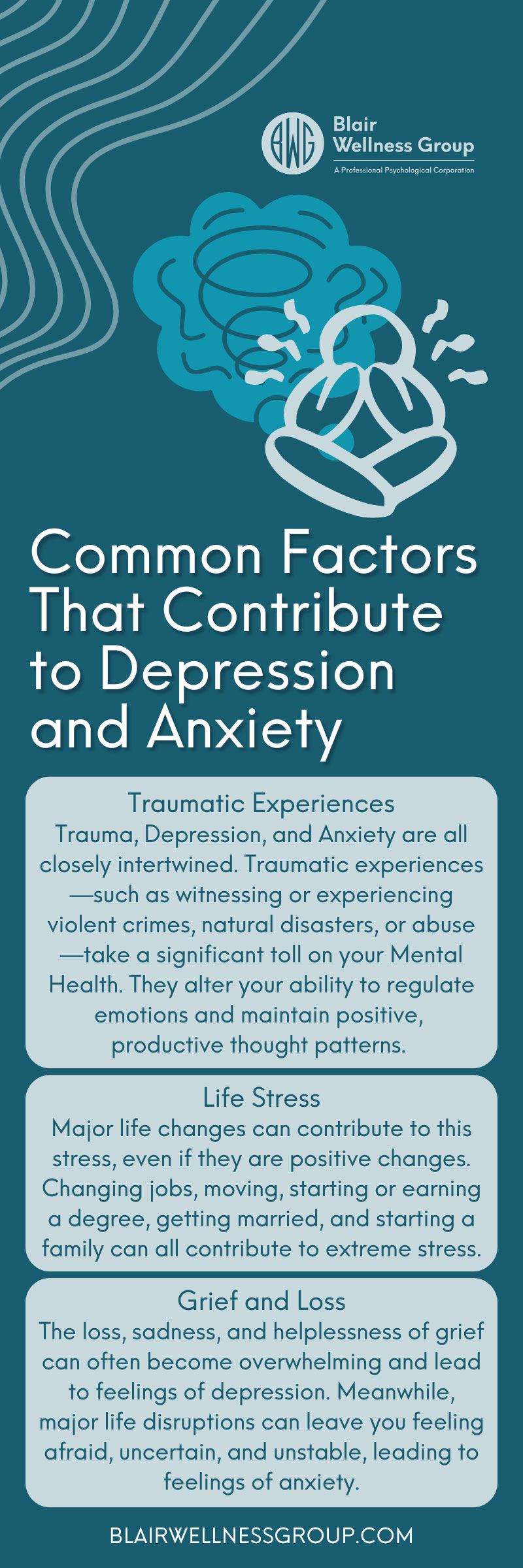
When these sensations don't go away, they start conflicting with your quality of life, or your anxieties are out of proportion to the stressor at handit may be an indication of a stress and anxiety disorder. Anxiety disorders are a course of psychological health conditions that influence about 30% of adults at a long time in their livesand ladies are twice as most likely to have a stress and anxiety disorder than men, commonly happening at an earlier age for females than men too. Anxiety isn't something you can talk or reason your escape of by yourself, so if you assume you might be experiencing an anxiety problem, reach out for specialist assistance. To read more regarding kinds of anxiousness conditions and exactly how they are treated check out: Stress and anxiety disorders: An overview of the 5 major kinds. Depression is a type of mood problem and common mental health and wellness problem that influences exactly how you really feel, assume, and act.
Accelerated Resolution or Trauma Treatments for Trauma
Anxiety can likewise make it tough to think, focus, or maintain information. Experiencing bouts of despair is an anticipated emotion and part of day-to-day life, yet scientific anxiety is different in that these sensations and thoughts linger for at the very least 2 weeks along with other signs and symptoms., 5th edition (DSM-5) to be identified as medical depression, 5 or more signs and symptoms should be existing and need to last for at least 2 weeks.
Overcoming Guilt in the Context of Therapy in San Francisco
If you're not quite feeling like on your own, make a consultation with a healthcare service provider like your PCP or a specialist or psychoanalyst, which are medical doctors that specialize in treating mental health and wellness conditions. These conditions are intricate and getting an exact medical diagnosis is the very first step to really feeling much better.

And people who are identified with anxiousness are additionally likely to have anxiety, too. If you're experiencing these symptoms for a prolonged duration, it's best to look for professional help early to decrease the danger of co-occurring conditions and improve treatment end results.
There work treatment options and medications that can assist minimize signs connected with both problems. Usually, it's easy to overlook your anxiety and anxiety, thinking that it's "tolerable sufficient," or that it'll "just vanish" with time. And while it holds true that there are various intensities to the problems, when anxiety or anxiety gets in the way of everyday tasks or partnerships, it could be an indicator that you require some extra support.
Understanding in Brainspotting for Trauma
Read Time: 8 Minutes Anxiousness and anxiety are 2 of the most typical psychological wellness problems we see. And though Anxiety and clinical depression are 2 of the most usual mental health and wellness problems we see.
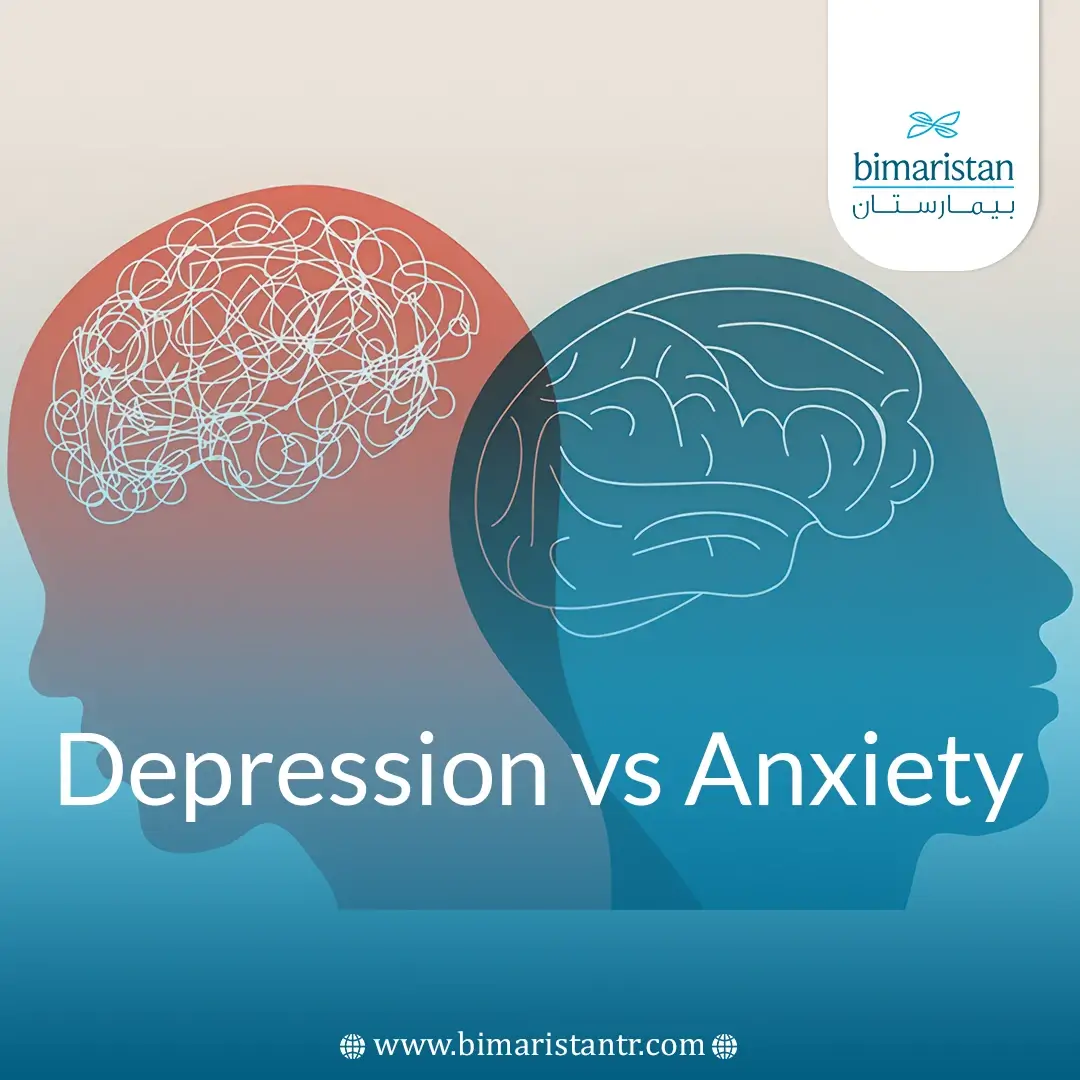
Depression, on the other hand, is a state of mind condition that creates frustrating sensations of unhappiness or lethargy. Component of the factor why stress and anxiety vs anxiety can be difficult for numerous people to determine is that there are overlapping signs in the 2 conditions.

Latest Posts
Ongoing Wellness for Depression and Mood Therapy
Supporting The Ego-state therapy Journey
Person-Centered Therapeutic Approaches Specializing in Sexual Trauma