Featured
Table of Contents
In the context of these sets, everyone has a 'leading' feature that tends to predominate in their individuality and habits, along with an 'auxiliary' feature that offers to support and balance the leading. The other 2 functions are less noticeable and make up the 'tertiary' and 'substandard' or '4th' features. The Myers-Briggs Type Sign (MBTI) is an individuality inventory based on these concepts of Jung.
Each letter corresponds to one choice in each of the dichotomous sets. It's crucial to keep in mind that, while these categories assist us understand different personality types, human behavior is complex and can't be completely caught by these categorizations., yet this specific concept led them to component methods.
Onward progress is commonly damaged as an outcome of internal conflict and self-sabotage coming from partition of the different selves within an individual. Individuation involves incorporating every one of a person's past favorable and unfavorable experiences as though the person can live a healthy and balanced, efficient, and mentally steady life.
The procedure of individuation takes place with different approaches, consisting of desire analysis and energetic imagination, and brings to life a mature, holistically healthy and unified individual. Jung was the initial to make use of the term cumulative subconscious as a method for describing an expression of the subconscious that is displayed by every living being with a nervous system.
Processing Grief and Trauma
Jung believed the collective subconscious was acquired and inherent to each being, as opposed to a result of particular occasions. The cumulative unconscious holds mental images that can not be clarified historically or with experience, however exist just as an evolutionary by-product. Jung likewise used the term logos in his thoughtful theories.
Jung often referred to the comparison between aware versus unconscious as logos versus mythos. In addition, Jung believed that logo designs was the male variation for rationality, where the women counterpart, eros, stood for psychic schedule or feeling. Nekyia is a crucial component of Jung's evaluation. Nekyia, or the process of delving right into the subconscious, is, according to Jung, an intentional and decisive action.
Those who took a trip to the midsts of their inner psyche and back were far much better for having done so. Depth psychology is among the several healing techniques originated from Jungian Psychology. This method relies upon discovering the motives behind psychological issues as a method to treat them. Throughout deepness psychology, a therapist collaborates with a client to reveal the source of their issue, as opposed to the signs related to it.
One of the sensations that exists comprehensive psychology is that of the "wounded healer." When a therapist works with a client who has comparable psychological injuries, the therapist familiarizes this dynamic and may inadvertently transfer his wounds back to the client. This procedure of countertransference can be detrimental to both the specialist and the client due to the fact that it reveals the specialist to the wounds of his customer, therefore possibly infecting the healing procedure.
Ensuring Trauma Therapy Available
Jung's psychodynamic concepts included the recognition of a spiritual existence within each person, as well as varying arranging elements within the subconscious. The Myers-Briggs Kind Indication (MBTI), developed by Isabel Briggs Myers and Katharine Cook Briggs, was based on the concepts Jung explored in his book Psychological Types.

Another step, the Jungian Kind Index (JTI), created in 2001, was designed by Hallvard E. Ringstad and Thor Odegard to give a much more exact assessment of a person's preferential method of mental handling. The JTI is based on the certain psychological features detailed by Jung and exists in a shorter and universally easy to understand means.
Why Ego-State Therapy Addresses Dissociation
One more variation of these examinations is the Keirsey Personality Sorter. Although it is likewise freely based on Jung's concepts, its material and application differs significantly from both the JTI and the MBTI.
The strategy highlights locating truth self, utilizing art, myth, and various other tools to help clients accessibility these feelings, ideas, and ideas. On top of that, Jungian treatment entails delving into the unconscious mind, which he thought plays a huge function fit thoughts and habits. Therapists still utilize Jungian therapy to aid individuals with problems such as anxiety, stress and anxiety, and low self-esteem.
Discover out which alternative is the finest for you., icons, and folklore. The specialist will certainly help the customer check out these ideas and understand the significance they hold for the individual.
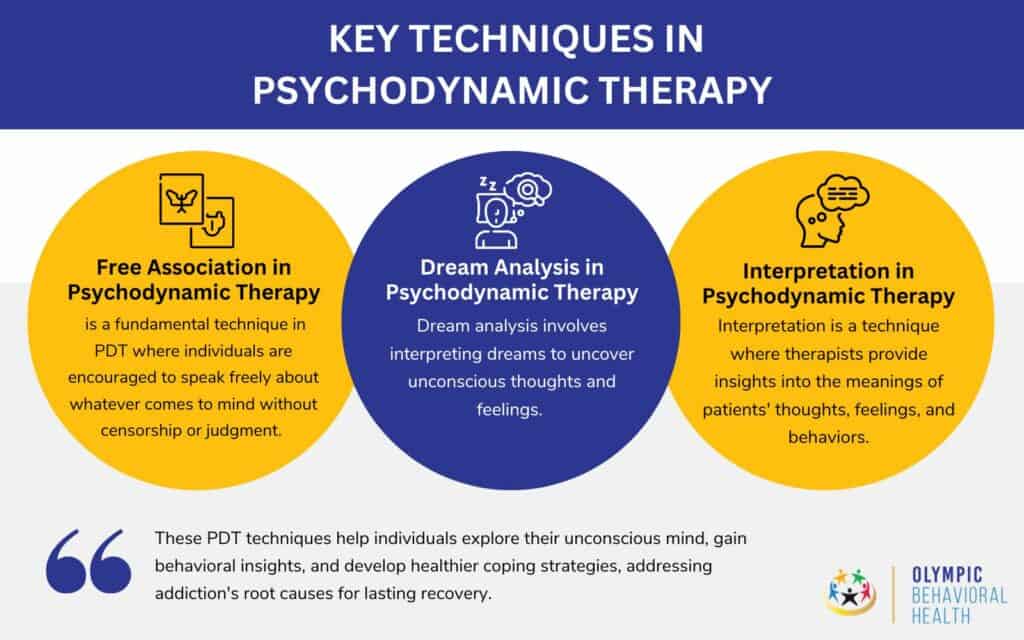
Below is a list of a few of the methods used in Jungian treatment: Art can give a means to access the subconscious and discover pictures that arise. With art, we can discover our self-image and what signs and styles emerge when focusing on a particular trouble. Among one of the most important means of accomplishing understanding in the Jungian analysis is through dreams, which frequently provide material to function with in treatment.
Psychiatric Medication and Trauma Therapy: A Combined Approach
Jung's psychodynamic theories consisted of the recognition of a spiritual existence within each person, in addition to varying organizing aspects within the subconscious. Together, these elements and archetypes can sometimes erupt in disagreement, creating interior problem. Jung's thoeries additionally affected a number of the evaluation tools utilized in psychiatric therapy today. The Myers-Briggs Type Indication (MBTI), developed by Isabel Briggs Myers and Katharine Cook Briggs, was based upon the theories Jung checked out in his publication Psychological Types.
An additional procedure, the Jungian Kind Index (JTI), created in 2001, was developed by Hallvard E. Ringstad and Thor Odegard to give a much more exact evaluation of an individual's preferential technique of emotional handling. The JTI is based on the particular psychological functions described by Jung and exists in a shorter and widely reasonable method.
An additional variation of these examinations is the Keirsey Temperament Sorter. It is also loosely based on Jung's theories, its web content and application differs greatly from both the JTI and the MBTI.
When Early Treatment Matters for Trauma Recovery
The method highlights locating the real self, utilizing art, misconception, and various other devices to aid clients access these feelings, ideas, and ideas., which he thought plays a large role in forming ideas and behavior.
Discover out which choice is the finest for you., icons, and mythology. The specialist will certainly help the customer explore these ideas and comprehend the definition they hold for the person.
Below is a listing of a few of the techniques used in Jungian treatment: Art can provide a way to access the subconscious and discover pictures that emerge. Via art, we can learn more about our self-image and what signs and themes arise when concentrating on a specific issue. Among the most vital ways of achieving insight in the Jungian analysis is with desires, which frequently provide material to deal with in therapy.

Latest Posts
Why to Understand From A Intake Appointment
Comprehensive Mental Healthcare: A Deep Study Modern Therapy Solutions
Addressing Dissociated Parts of Identity